How Doctors Can Get More Patient Appointments Through Digital Marketing
A few years back, most clinics survived on referrals, word of mouth, and nearby foot traffic.
Today, things have changed.
Patients don’t just walk in anymore. They sit with their phone, search their symptoms, compare doctors, read reviews, and only then decide who to call.
If your clinic isn’t visible online, it doesn’t matter how good your treatment is — many patients will never find you.
I see this every day while working with medical practices.
Let’s talk honestly about how digital marketing actually helps doctors get more appointments.
Not theory. Real-world stuff.
1. Your Website Is Your Second Reception Desk
Think about this.
When someone clicks your website, that is their first interaction with your clinic.
If the site is slow… confusing… or looks outdated, they leave.
Patients don’t explore pages. They scan.
They want to quickly see:
- What problems you treat
- Where your clinic is
- How to contact you
- Whether other patients trust you
That’s it.
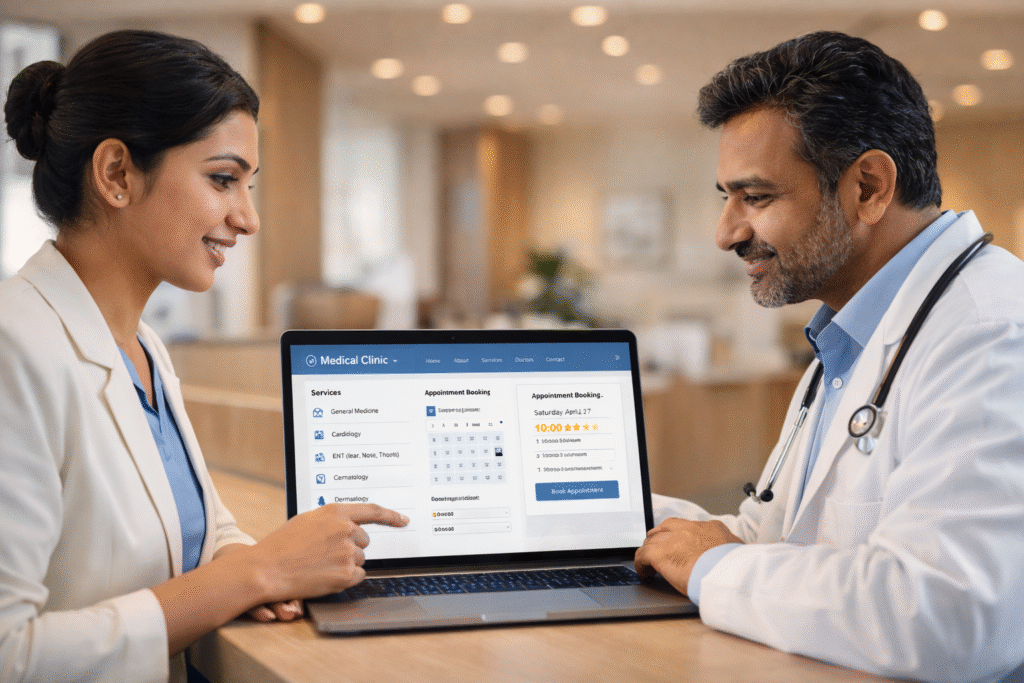
A simple website with clear services, real clinic photos, visible phone number, and easy WhatsApp or booking button converts far better than fancy designs.
Your website should work like a good receptionist — guide, reassure, and help book.
2. Google Brings the Highest Quality Patients
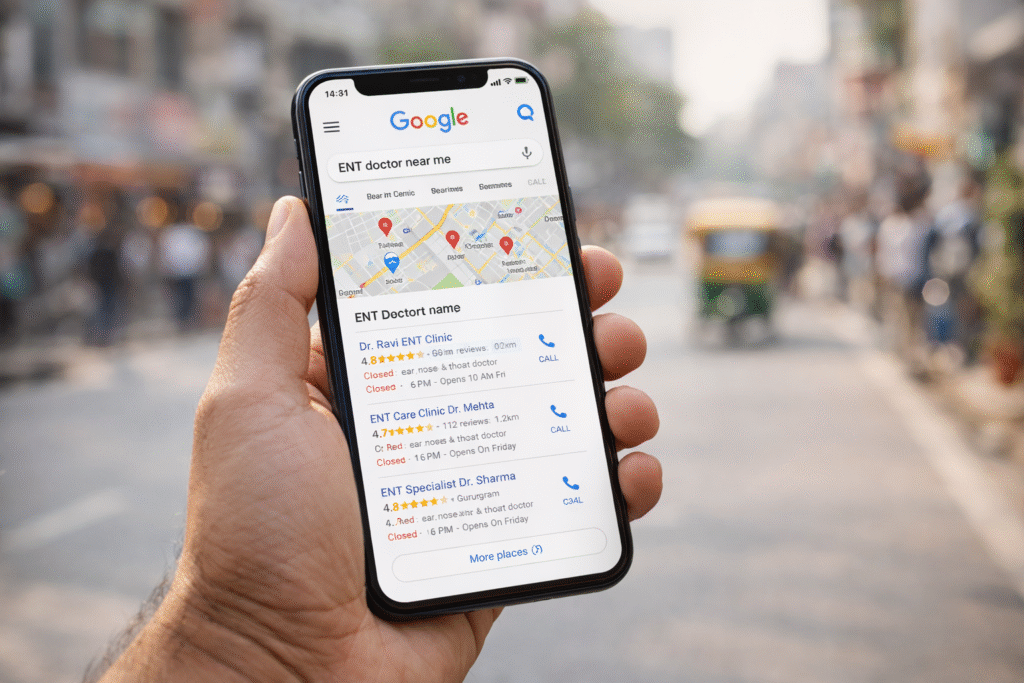
Most appointments start with Google.
Not Instagram. Not Facebook.
Google.
Searches like:
- Best ENT near me
- Speech therapist in my area
- Physiotherapy clinic nearby
These people already want treatment.
If your clinic shows up in Google Maps and local results, you get calls. If it doesn’t, those patients go elsewhere.
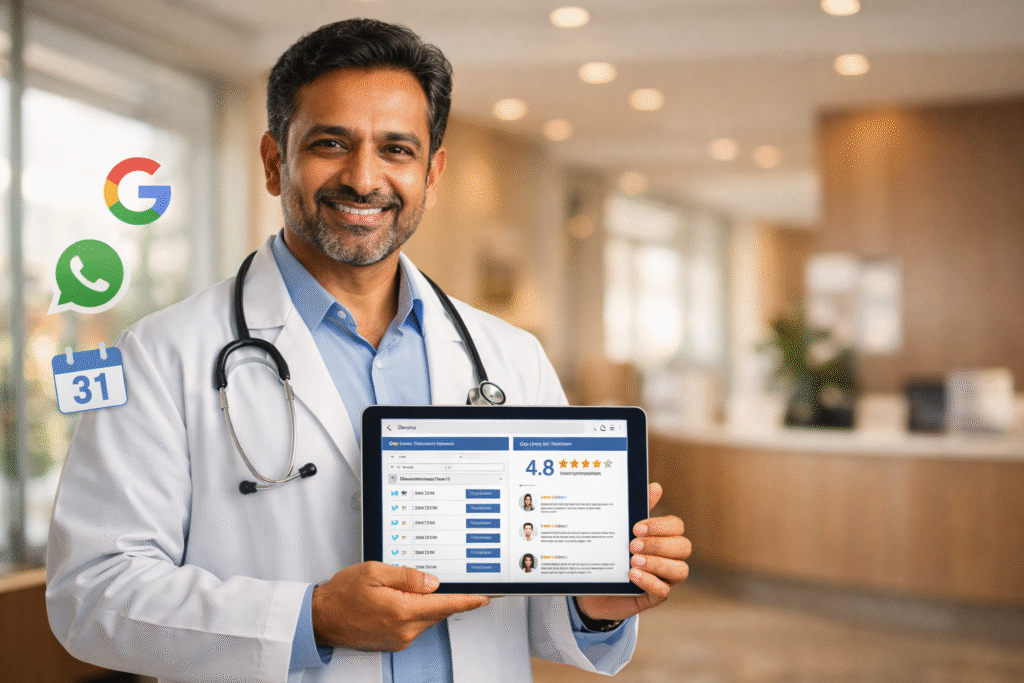
This is why Google Business Profile matters so much.
Uploading clinic photos, collecting reviews, updating timings, and replying to feedback may feel small — but together they decide whether your phone rings or stays silent.
Clinics ranking in the top few map results always receive more enquiries. Always.
3. Ads Work When Done Properly
Many doctors say: “I tried ads once. Didn’t work.”
Most of the time, ads fail because:
- Wrong keywords
- No proper landing page
- No follow-up on leads
- No tracking
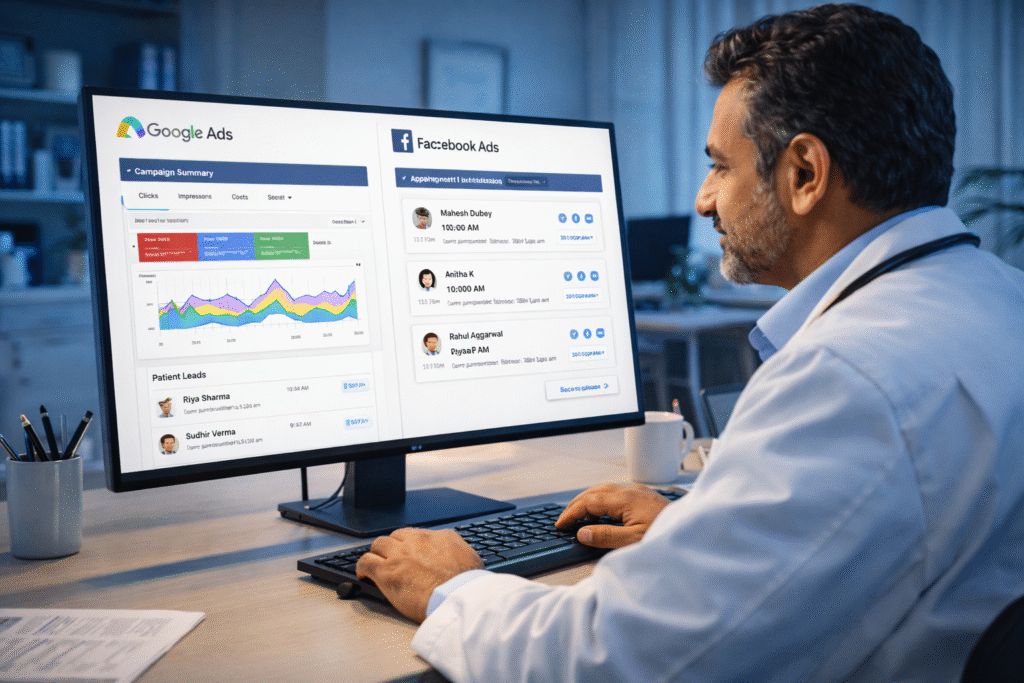
When Google or social media ads are set up correctly, they bring people who are actively searching for help.
It could be a parent looking for speech therapy.
Someone with knee pain.
A patient needing hearing testing.
Ads simply put your clinic in front of them at the right moment.
Even small clinics can compete with big hospitals if campaigns are handled smartly.
4. Social Media Builds Familiarity
Patients don’t only choose clinics.
They choose doctors they feel comfortable with.
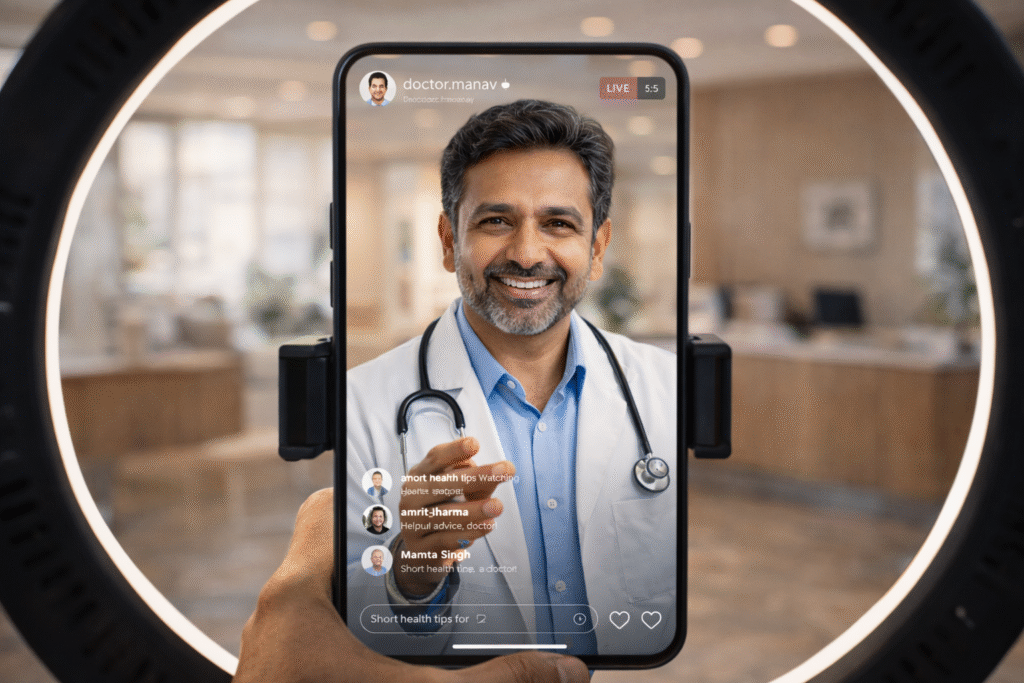
Social media helps with that.
Posting simple content like:
- health tips
- short videos explaining treatments
- before-after stories (with permission)
- clinic updates
makes your practice feel real.
You don’t need trending reels or fancy editing.
Just consistency.
When someone sees your face and content multiple times, trust develops quietly. By the time they call, half the decision is already made.
5. Reviews Decide Faster Than You Think
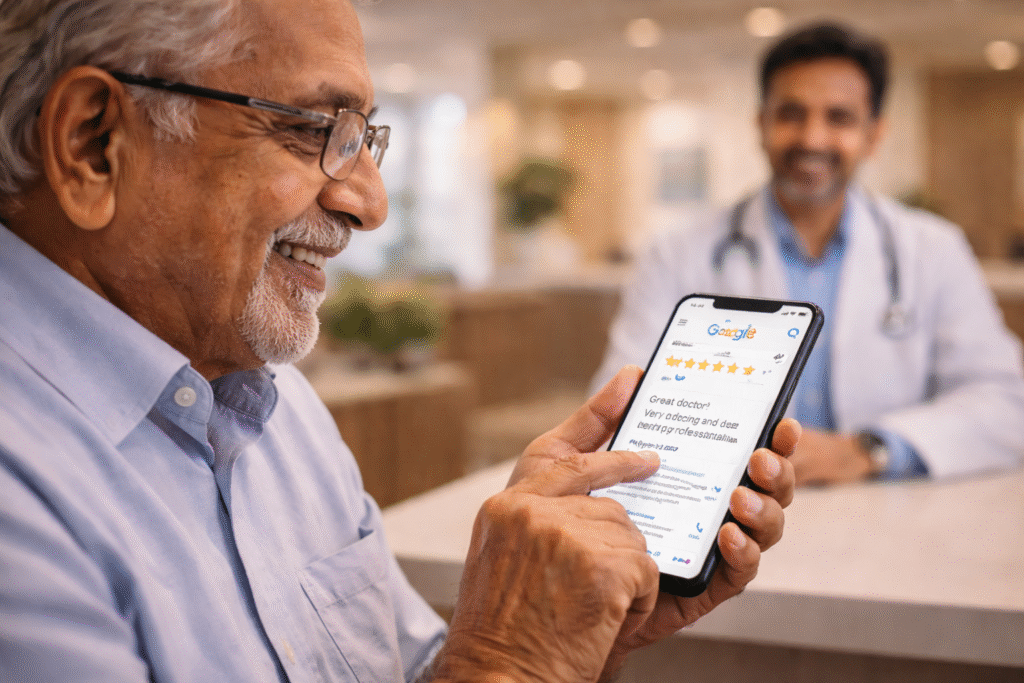
People trust other patients more than advertisements.
A clinic with recent reviews gets more calls. It’s that simple.
After successful consultations, politely ask patients to leave feedback on Google. Most are happy to help if reminded.
Also, reply to every review.
Even a short “Thank you for visiting” shows professionalism and care.
Future patients notice this.
6. Fast Follow-Ups Increase Bookings
Getting enquiries is not enough.
Many clinics lose patients because messages aren’t answered quickly or callbacks don’t happen.
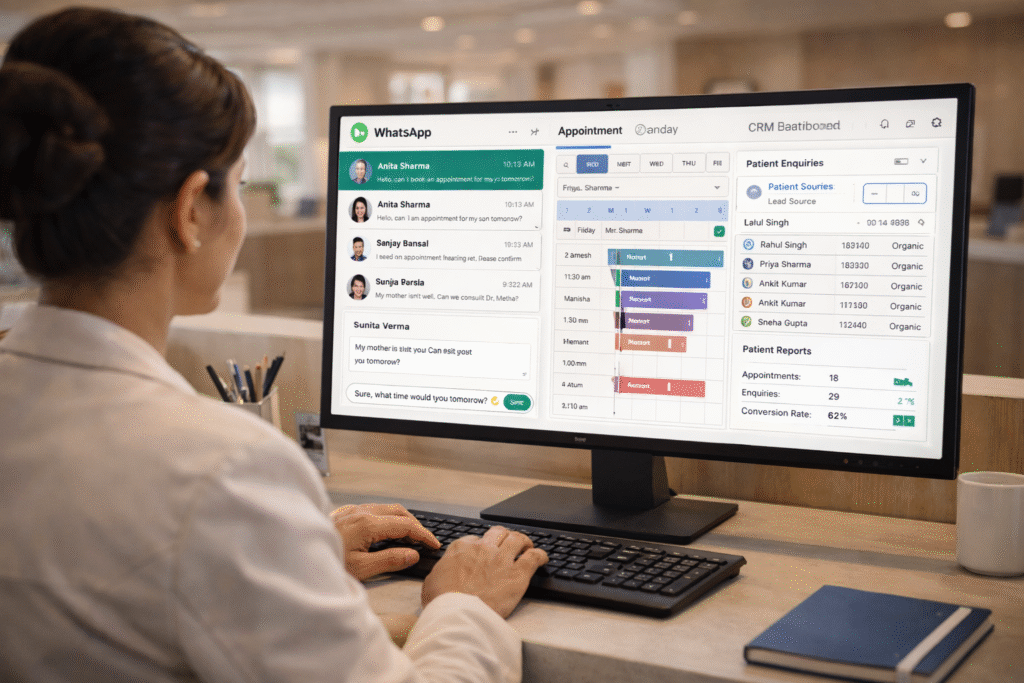
Using WhatsApp automation or basic CRM tools helps:
- reply instantly
- track enquiries
- send reminders
- reduce missed appointments
Speed matters.
If you reply late, patients move on.